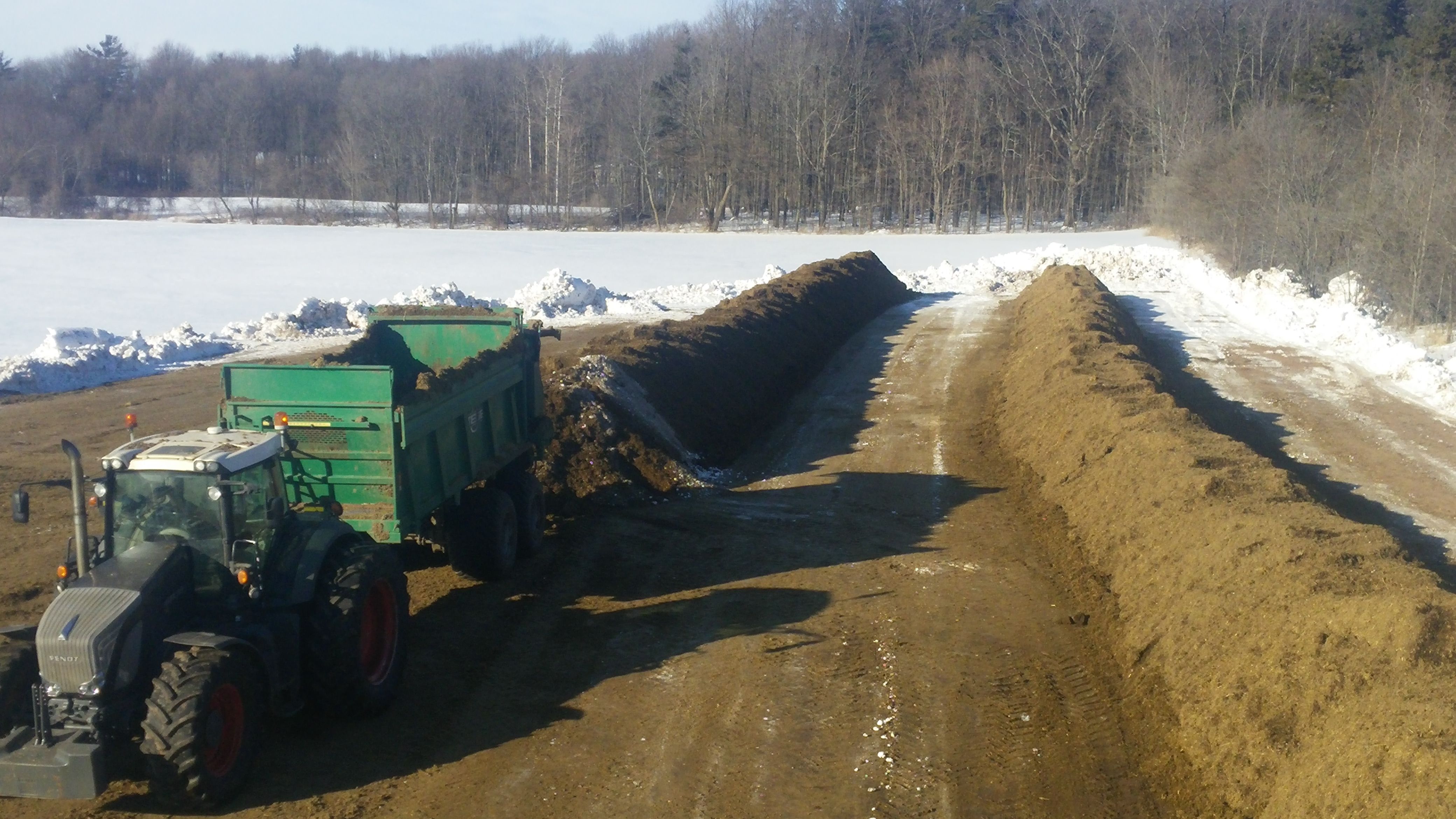
Carbon Cycle Consulting is at the forefront of innovative solutions for sustainable agriculture. Specializing in compost and biofertilizer products, we focus on enhancing soil health through carbon sequestration. By promoting carbon-rich soils, we aim to revolutionize farming practices and help combat climate change.
Soil carbon sequestration is a promising method to reduce atmospheric carbon dioxide levels. As climate change continues to threaten global ecosystems, it's crucial for the agriculture industry to adopt practices that boost carbon storage in the soil. Our efforts in regenerative agriculture and soil management can make a significant difference, offering both environmental and economic benefits.
Curious about how sustainable farming can drive carbon capture? Here’s more about what you need to know before making your next investment.
Understanding Soil Carbon Sequestration
The concept of soil carbon sequestration has been around for decades. It involves capturing atmospheric carbon dioxide and storing it in the soil. This process not only helps mitigate climate change but also improves soil health. Carbon sequestration in soil is a natural process, but it’s one that needs to be actively supported through sustainable practices, especially as agricultural lands are becoming depleted.
Historically, farming methods prioritized yields over environmental impact. This often led to soil degradation, with practices like over-tillage and monoculture farming reducing soil health and its capacity to store carbon. However, the importance of carbon-rich soils is now recognized in the industry. Techniques such as regenerative agriculture and carbon farming methods are gaining traction as sustainable practices.
These practices enhance soil quality by increasing organic matter and promoting biodiversity. Farming for carbon storage is now seen as a vital strategy in the fight against climate change. It also provides economic advantages for farmers, as healthier soils can lead to better crop yields, reduced dependency on chemical inputs, and even carbon credit opportunities.
Practical Applications in Agriculture
There are several ways to improve soil carbon sequestration through sustainable farming practices. Below are a few key techniques:
- Cover Cropping: This is one of the simplest yet most effective ways to enhance soil carbon sequestration. By planting cover crops such as legumes, grasses, or clover, farmers can improve soil structure, prevent erosion, and enhance the soil’s ability to store carbon. These crops also capture carbon and add organic matter to the soil. Cover crops contribute to soil biodiversity by providing habitat for beneficial insects and microbes, which in turn helps in maintaining a healthy ecosystem.
- No-Till Farming: Another method gaining popularity is no-till farming. This practice reduces soil disturbance, helping maintain soil structure and increasing carbon retention. The carbon stored in the soil is kept in place because there is minimal disruption from plowing or tilling. No-till farming also improves water retention, reduces erosion, and enhances the microbial life in the soil, all of which contribute to soil health.
- Agroforestry: Integrating trees into farming systems can help capture and store more carbon in the soil. Agroforestry practices, such as planting trees alongside crops or in pasturelands, contribute to carbon sequestration by providing above-ground biomass that stores carbon, as well as enhancing soil carbon storage through organic matter inputs from leaf litter and root systems.
- Rotational Grazing: For livestock farmers, rotational grazing is a sustainable practice that can improve soil carbon sequestration. By rotating livestock between different grazing areas, pasturelands have the chance to recover and regenerate, increasing their ability to store carbon in the soil. This also prevents overgrazing, which can degrade soil health.
- Carbon Farming Methods: Carbon farming refers to a suite of agricultural practices designed specifically to increase the amount of carbon sequestered in the soil. These methods can include using biofertilizers, applying compost to the soil, and improving irrigation practices to reduce evaporation. Farmers who adopt carbon farming methods may be eligible to earn carbon credits, which can provide additional income streams and incentivize carbon-conscious practices.
The Role of Compost and Biofertilizers in Carbon Sequestration
At Carbon Cycle Consulting, we provide custom compost solutions that enhance soil health and contribute to carbon sequestration. Our biofertilizers are designed to increase microbial activity in the soil, which helps in breaking down organic material and storing carbon in the soil. The application of compost improves soil structure, water retention, and nutrient availability, all of which help to create optimal conditions for carbon storage.
Compost also helps in reducing the need for synthetic fertilizers, which are not only expensive but can also contribute to greenhouse gas emissions. By adopting composting practices, farmers can reduce their carbon footprint while simultaneously enriching the soil and increasing its ability to sequester carbon.
The Takeaway
Improving soil carbon sequestration is a win-win for farmers and the planet. By adopting sustainable farming practices, we can support healthier, more productive soils while combating climate change. Practices like cover cropping, no-till farming, and agroforestry help enhance carbon storage in the soil, making it a critical tool in addressing climate change. Moreover, the financial benefits for farmers include better crop yields, reduced input costs, and even potential new revenue streams from carbon credits.
As more farmers and agricultural professionals recognize the importance of soil health and carbon sequestration, the practice will continue to grow. Join us in farming for a better, carbon-neutral future. At Carbon Cycle Consulting, we are dedicated to helping farmers implement the right practices and products to enhance soil health and contribute to global carbon sequestration efforts.