Modern agriculture is changing rapidly as farmers face increasing pressure to produce healthy crops while protecting land for future generations. One of the most important factors in this shift is soil health. Carbon-rich soil has become a cornerstone of sustainable and regenerative farming because it improves productivity, strengthens resilience, and supports long-term farm viability. Farms that focus on building soil organic carbon are better positioned to manage weather extremes, reduce input costs, and maintain consistent yields.
Carbon-rich soil is not a new concept, but its importance has become clearer as challenges such as soil degradation, erosion, and declining fertility continue to affect farmland. By improving soil structure and biological activity, carbon-rich soil supports healthier crops and more efficient use of resources. For modern farms, investing in soil health is no longer optional. It is a practical step toward stability, profitability, and environmental responsibility.
This guide explains why carbon-rich soil matters, how it improves soil health, and how farms can benefit from sustainable soil management practices.
Why Carbon-Rich Soil Matters in Modern Agriculture
Soil is more than just a growing medium. It is a living system made up of minerals, organic matter, microorganisms, water, and air. Carbon plays a central role in this system. Soil organic carbon improves structure, increases nutrient availability, and supports microbial life that drives healthy plant growth.
When soil lacks carbon, it becomes compacted and less productive. Water infiltration slows, roots struggle to grow, and nutrients become harder for plants to access. Over time, this leads to reduced yields and increased reliance on synthetic inputs. Carbon-rich soil helps reverse these issues by restoring balance to the soil ecosystem.
For modern farms, healthy soil also supports efficiency. Carbon-rich soil retains nutrients more effectively, reducing fertilizer losses. It improves water retention, helping crops survive dry periods. These benefits translate directly into lower costs and more reliable production.
A Brief History of Carbon-Rich Soil Practices
Farmers have understood the value of organic matter for centuries. Traditional farming systems relied on compost, manure, and crop residues to maintain soil fertility. These practices naturally increased soil organic carbon and supported long-term productivity.
As agriculture became more industrialized, many farms shifted away from organic inputs toward intensive tillage and chemical fertilizers. While this increased short-term yields, it often reduced soil carbon over time. The loss of organic matter led to erosion, compaction, and declining soil health.
Today, agriculture is rediscovering the importance of carbon-rich soil. Modern composting methods and soil management strategies build on traditional knowledge while using better tools and understanding. This renewed focus allows farms to rebuild soil health without sacrificing productivity.
How Carbon-Rich Soil Improves Soil Health
Carbon-rich soil improves soil health in several key ways. One of the most important benefits is improved soil structure. Organic carbon helps soil particles bind into stable aggregates, creating pore spaces that allow air and water to move freely. This structure supports root growth and reduces compaction.
Water management is another major advantage. Soils with higher carbon content can hold more moisture while still draining excess water. This balance helps crops withstand dry conditions and reduces runoff during heavy rain. Better water retention also lowers irrigation needs, saving time and resources.
Carbon-rich soil also supports biological activity. Microorganisms thrive in soils with adequate organic matter. These microbes help break down nutrients into forms plants can absorb. A biologically active soil creates a self-supporting system that reduces dependence on external inputs.
The Role of Compost in Building Soil Carbon
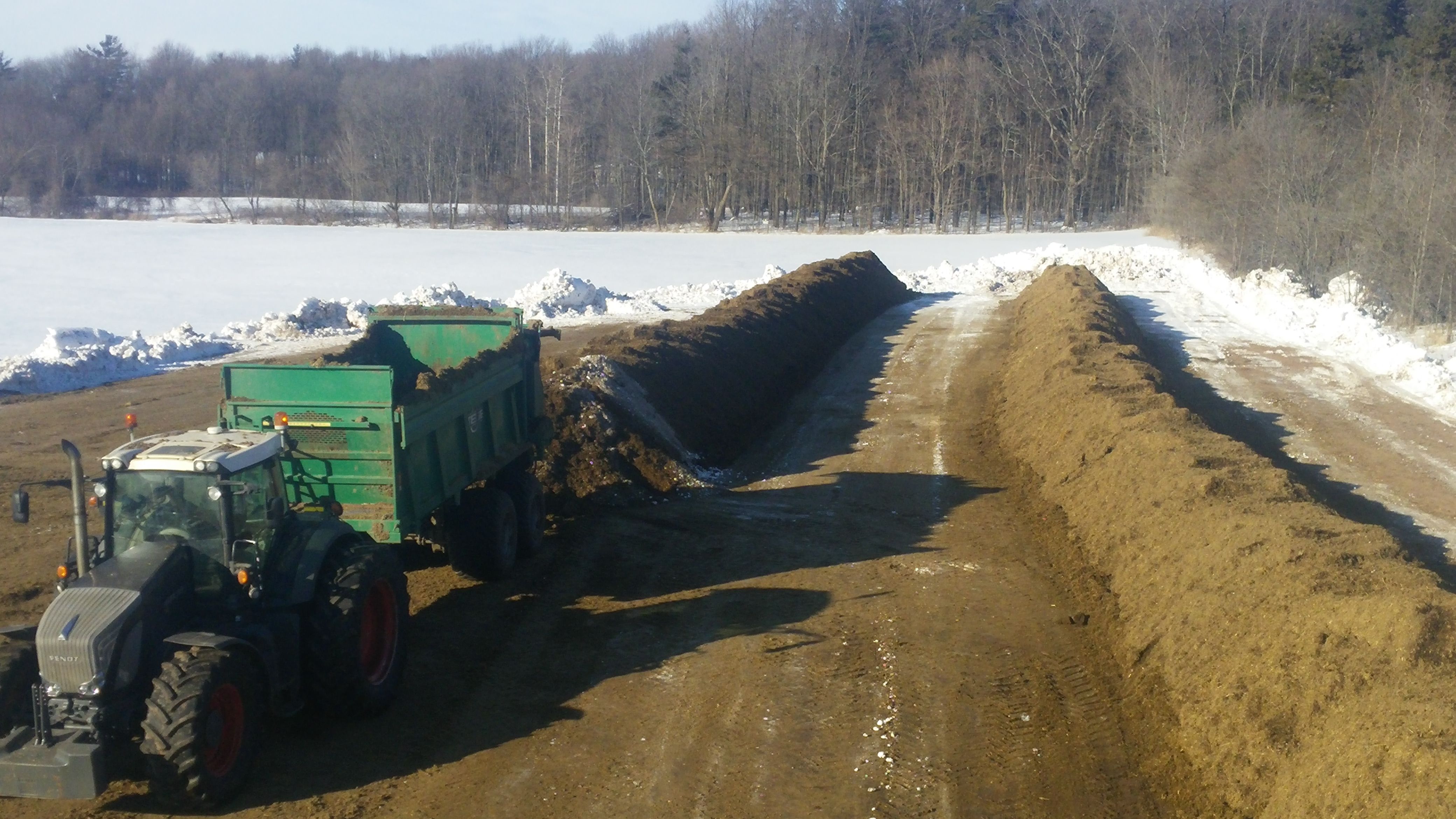
Compost is one of the most effective tools for increasing soil organic carbon. Agricultural compost adds stable organic matter that improves soil structure and feeds beneficial microbes. Unlike quick-release fertilizers, compost works gradually, providing long-term benefits to soil health.
Living carbon compost takes this concept further by focusing on biologically active materials that enhance microbial diversity. When applied correctly, compost improves nutrient cycling and strengthens soil resilience. Farms using compost often see improvements in crop vigor, root development, and overall soil performance.
Regular compost application helps rebuild degraded soils and maintain healthy fields over time. It is especially valuable for farms transitioning to regenerative practices or seeking to improve marginal land.
Carbon-Rich Soil and Regenerative Farming Practices
Regenerative farming focuses on restoring soil function rather than simply maintaining yields. Carbon-rich soil is central to this approach. Practices such as reduced tillage, cover cropping, and compost application all aim to increase soil carbon and protect soil structure.
Cover crops add organic matter and protect the soil surface. Their roots feed soil microbes and improve aggregation. Reduced tillage minimizes disturbance, allowing carbon to remain in the soil instead of being released into the atmosphere. Together, these practices support continuous improvement in soil health.
Regenerative systems often result in more resilient farms. Healthier soil recovers faster from stress, supports consistent yields, and reduces reliance on chemical inputs. Over time, this approach improves both environmental outcomes and farm profitability.
Real-World Benefits of Carbon-Rich Soil
The benefits of carbon-rich soil are visible across many farming operations. Fields with improved soil carbon often show better plant emergence and stronger root systems. Crops grown in healthy soil are more resistant to pests and disease, reducing the need for chemical treatments.
Water management improvements are especially noticeable. Farms with carbon-rich soil experience less runoff and erosion during heavy rainfall. During dry periods, crops retain access to moisture for longer periods, reducing stress and yield loss.
Carbon-rich soil also supports land restoration. Fields that were previously compacted or low-yielding can be brought back into productive use through consistent soil improvement. Over time, this turns underperforming land into a valuable asset.
Long-Term Economic Value for Farms
Improving soil health is an investment that pays off over time. Carbon-rich soil reduces input costs by improving nutrient efficiency and water use. Healthier soil also supports more predictable yields, helping farms plan more effectively.
By reducing erosion and nutrient loss, farms protect their land from long-term degradation. This preserves property value and supports future generations. Farms that invest in soil health are better positioned to adapt to changing market conditions and environmental challenges.
Soil health improvements also align with emerging agricultural programs and incentives focused on sustainability. Farms with documented soil improvement practices may benefit from future opportunities related to environmental stewardship.
Planning a Carbon-Focused Soil Strategy
Building carbon-rich soil requires a long-term approach. Successful soil management begins with understanding current soil conditions through testing and observation. From there, farms can develop strategies that include compost application, reduced tillage, and diverse crop rotations.
Consistency is key. Soil health improves gradually, and benefits increase over time. By committing to carbon-focused practices, farms create a foundation for lasting productivity and resilience.
Working with soil health professionals can help tailor strategies to specific farm conditions. Every soil is different, and customized approaches deliver better results than one-size-fits-all solutions.
Final Thoughts
Carbon-rich soil is fundamental to the future of modern farming. It supports healthier crops, improves water management, and strengthens long-term productivity. By focusing on soil organic carbon and sustainable soil management, farms can protect their land while improving efficiency and resilience.
Building soil health is not a short-term fix. It is a commitment to better farming practices that benefit both the land and the operation. With the right approach, carbon-rich soil becomes a powerful tool for sustainable and profitable agriculture.